

What Should I Look for in an Aftermarket Slide?
Posted by Chris @ Norsso on Jan 22nd 2019
17-4 vs. 416 Stainless Steel for Aftermarket Slides
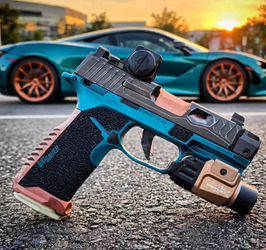
Not all aftermarket pistol slides are created equal. When shopping for a replacement or upgraded slide, factors such as machining quality, design, finish, and compatibility all matter—but one of the most important considerations is the material used to manufacture the slide.
The type of stainless steel used can play a significant role in the strength, durability, and longevity of a pistol slide.
Two materials commonly encountered are 17-4 stainless steel and 416 stainless steel. While both can be used for firearm components, we believe 17-4 stainless steel is the better choice for a pistol slide.
Our team at Norsso is going to break it down.
Why We Prefer 17-4 Stainless Steel
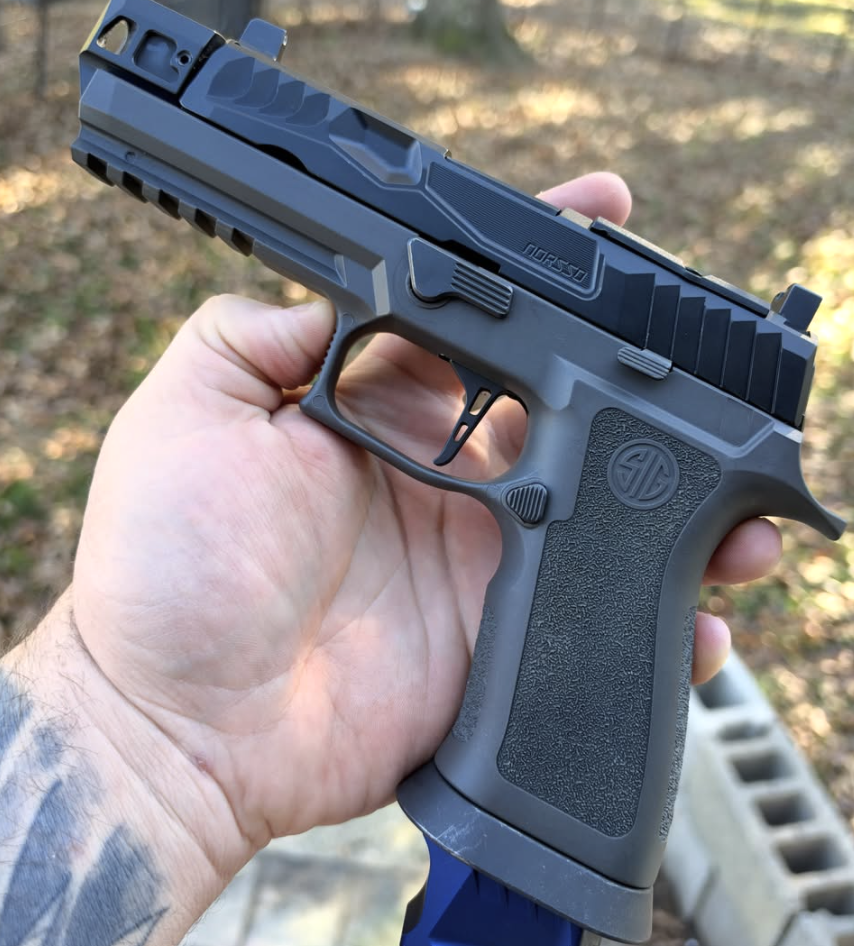
When properly hardened, 17-4 stainless steel offers excellent mechanical properties, including high strength and resistance to demanding loads.
One particularly important characteristic is resilience, which describes a material's ability to absorb energy within its elastic range and return to its original shape without permanent deformation.
Based on the material properties we evaluate, 17-4 stainless steel can offer substantially greater resilience than 416 stainless steel. For a pistol slide that repeatedly experiences rapid loading and impact during the firing cycle, that difference matters.
Why Material Strength Matters for Pistol Slides
Every time a pistol cycles, its slide is subjected to significant forces. Critical areas include the breech face and barrel hood lockup, where repeated stress can contribute to fatigue and, in poorly suited or improperly manufactured components, eventual cracking or failure.
This is one reason material selection should be more than an afterthought when choosing an aftermarket slide.
We have seen examples of 416 stainless steel slides developing cracks around high-stress areas such as the breech face and barrel hood lockup.
We have also experienced this firsthand. In one case, a 416 stainless steel slide suffered a major failure after approximately 500 rounds, with the barrel hood lockup cracking and damaging the barrel in the process.
That experience reinforced our preference for 17-4 stainless steel.
Our Experience With 17-4 Stainless Steel Slides
In comparison, our experience with properly manufactured 17-4 stainless steel slides has been significantly different.
We have put as many as 30,000 rounds through a 17-4 stainless steel slide without experiencing a reported failure or signs of cracking.
Round count alone does not determine the lifespan of a slide, and factors such as heat treatment, machining, ammunition, firearm configuration, maintenance, and overall manufacturing quality can all affect durability. However, our experience has given us considerable confidence in 17-4 stainless steel for this application.
What About Cost?
Cost is another factor worth considering.
416 stainless steel can be approximately 15–20% less expensive than 17-4 stainless steel, depending on material sourcing and market conditions. That lower material cost can make 416 attractive from a manufacturing perspective.
But when selecting an aftermarket pistol slide, price should not be the only consideration. Material quality, heat treatment, machining tolerances, design, and quality control can ultimately be more important than saving money on the base material.
Is 17-4 Stainless Steel Better for Pistol Slides?
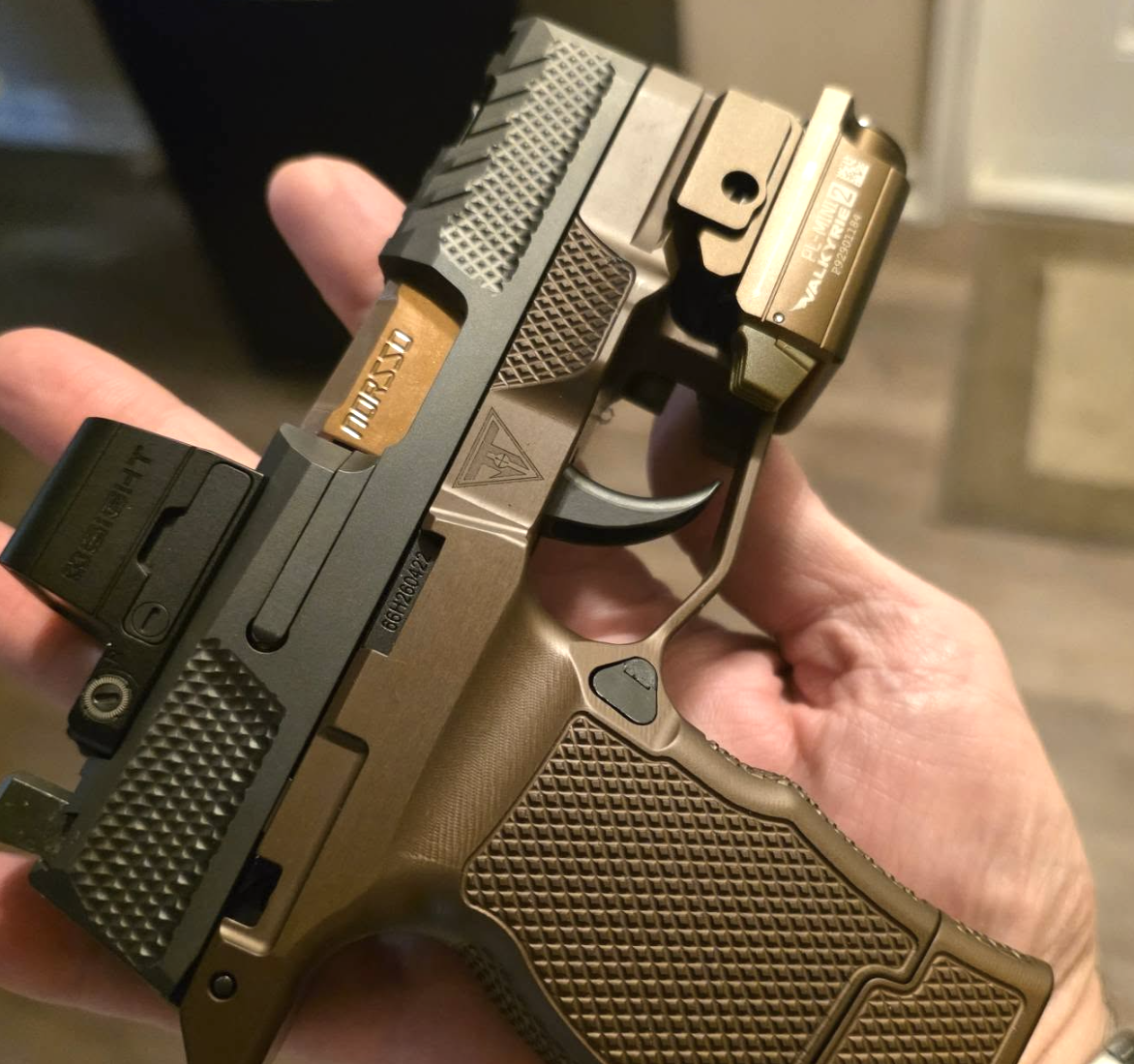
For our slides, the choice is clear: we prefer 17-4 stainless steel.
Its combination of strength, resilience, and durability makes it well suited to the repeated forces experienced by a pistol slide. Our own testing and experience—including slides with round counts reaching approximately 30,000 rounds—have further reinforced that decision.
When comparing aftermarket pistol slides, don't focus solely on appearance, slide cuts, or price. Look at what the slide is made from, how it is manufactured, and the quality standards behind it.
A pistol slide is a hard-working mechanical component. Choosing the right material can make a meaningful difference in long-term performance and durability.
Be sure to follow Norsso on Instagram!